Viale Milton and its Neighborhood
Viale Milton: A Symbol of Florence as the Capital of Italy
The history of Viale Milton and its neighborhood is intrinsically linked to one of the most significant periods in Florence's history: the years when the city became the capital of the Kingdom of Italy. In 1865, when Florence assumed this temporary role that it would maintain until 1871, the city found itself facing the need for a profound urban transformation, comparable in importance only to the great modifications of the medieval and Renaissance eras.
Giuseppe Poggi and the Urban Metamorphosis
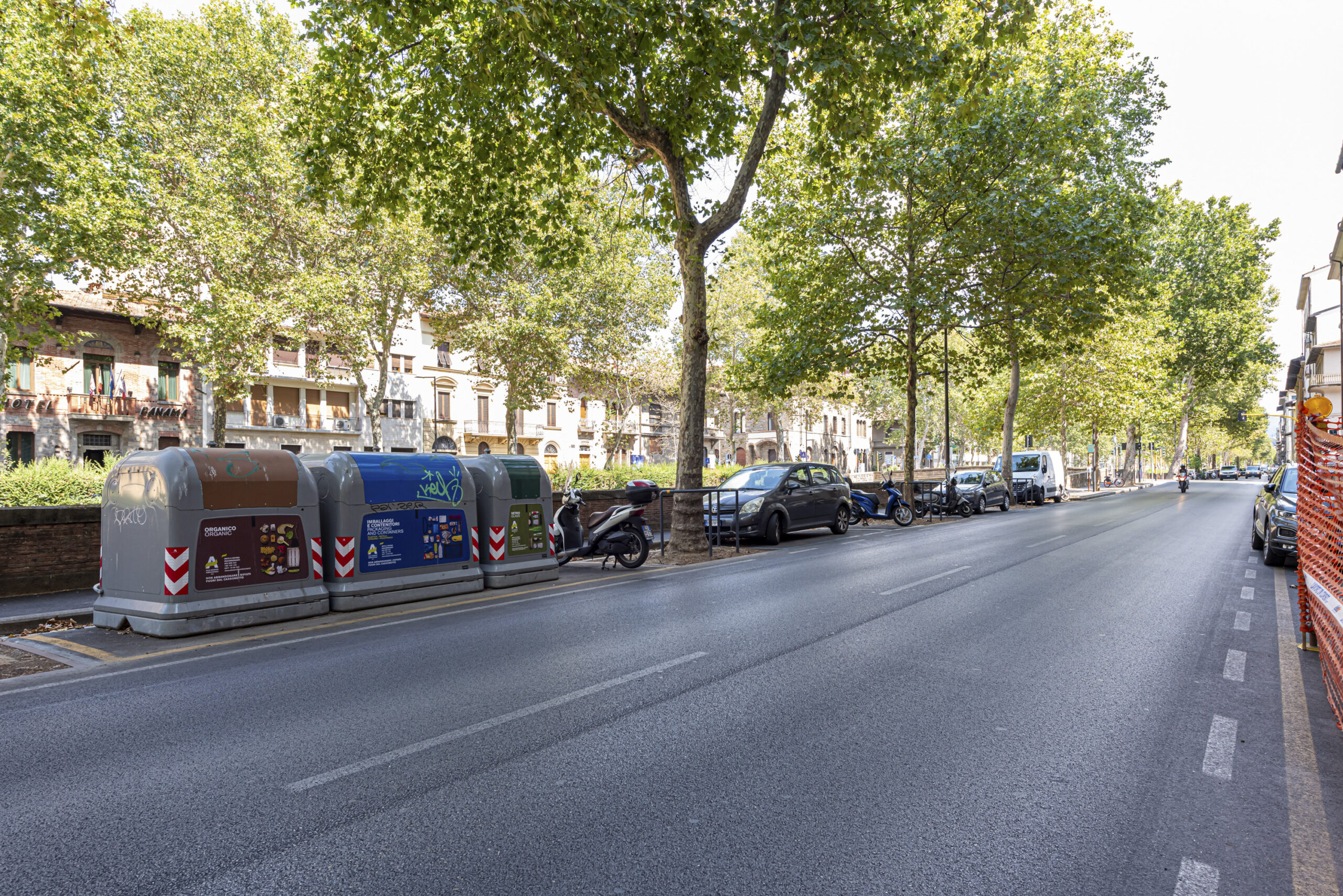
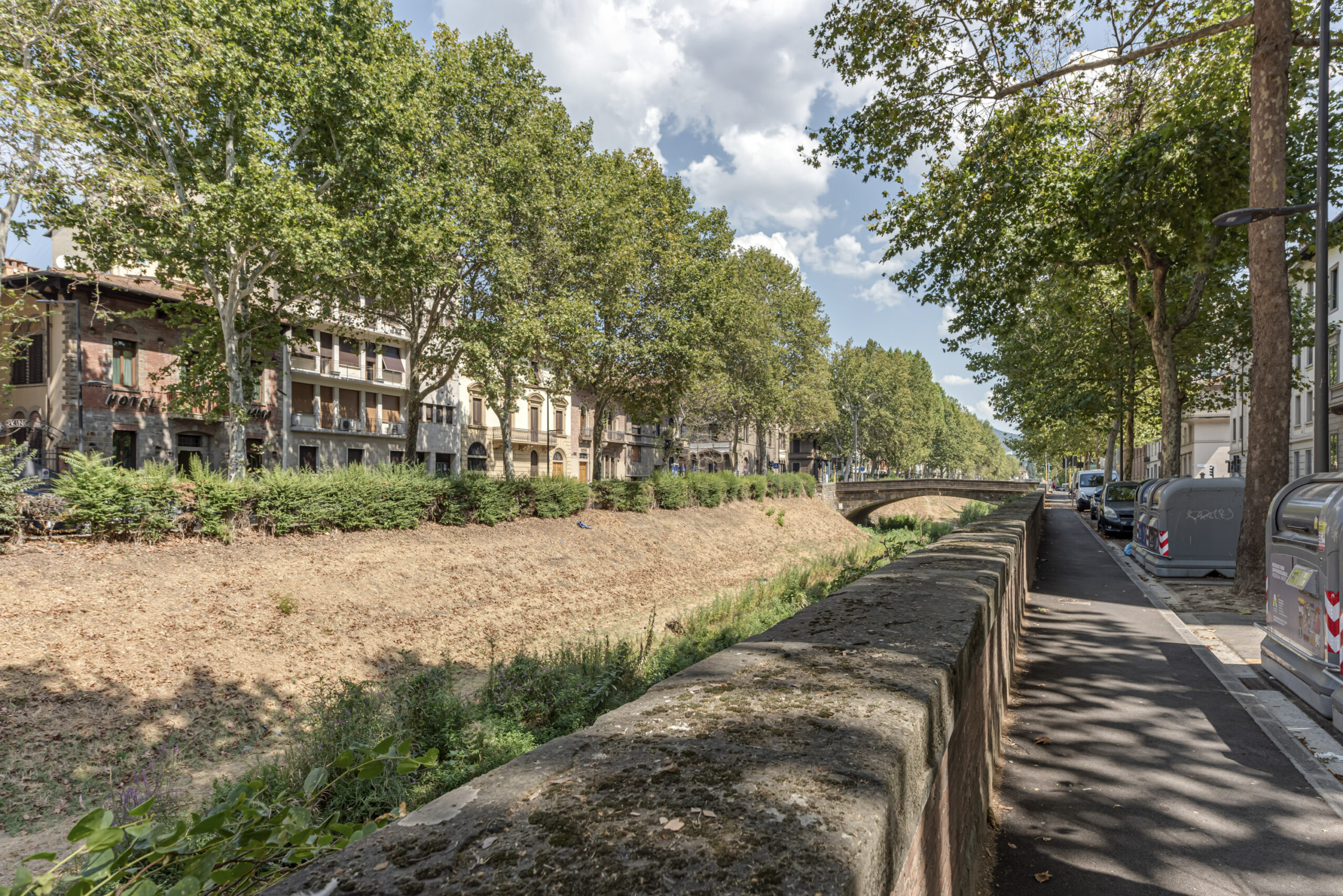
Architect Giuseppe Poggi was the mastermind behind this extraordinary urban metamorphosis. His ambitious project, known as the "Poggi Plan", reshaped the city's face through a radical intervention that involved demolishing the ancient medieval walls to make way for a system of wide tree-lined avenues, inspired by Parisian boulevards. These ring roads, including Viale Milton, were conceived as a majestic 40-meter-wide ring around the historic center, shaded by magnificent plane trees that still characterize its urban landscape today.
Elegant Palaces with Neoclassical Facades
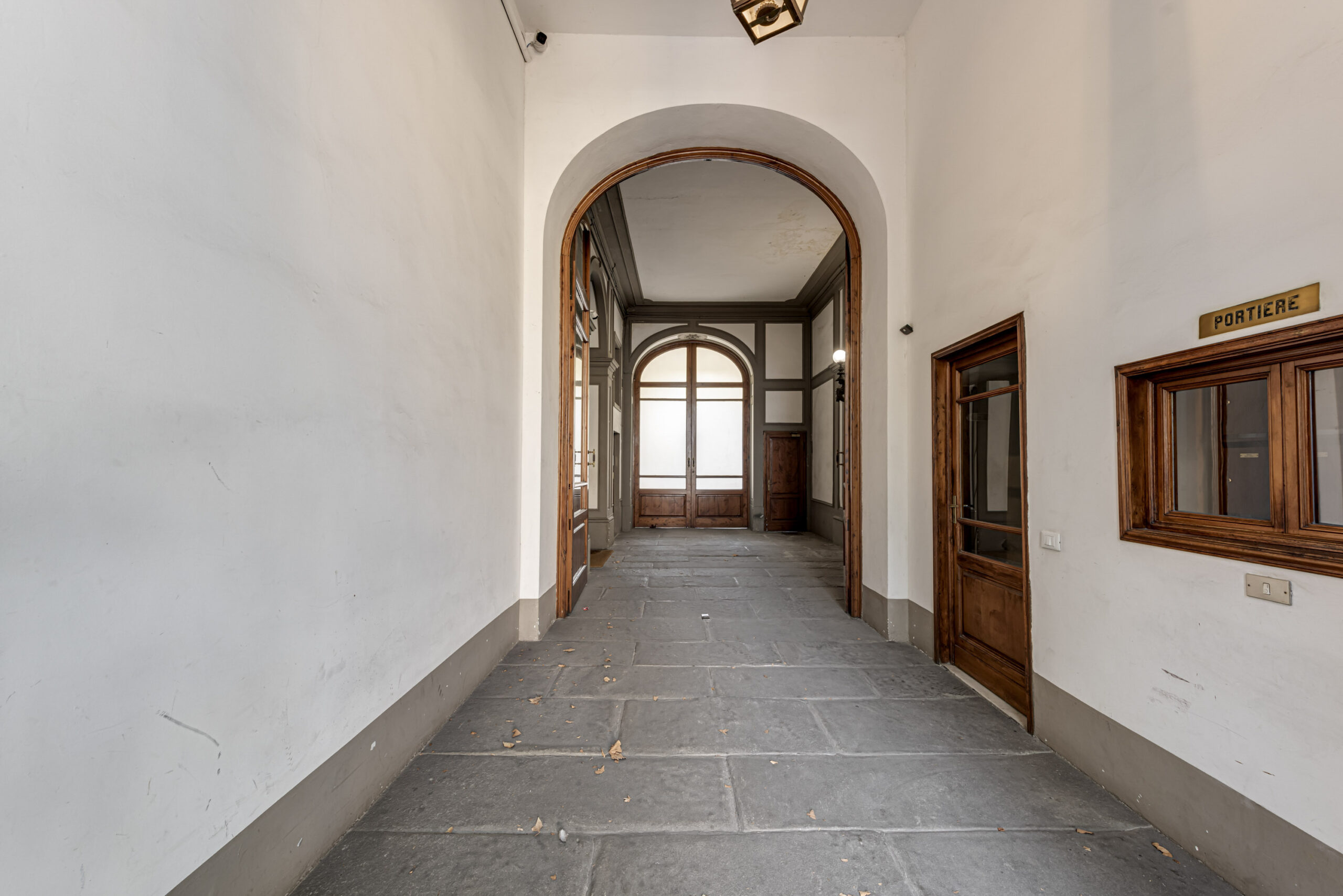
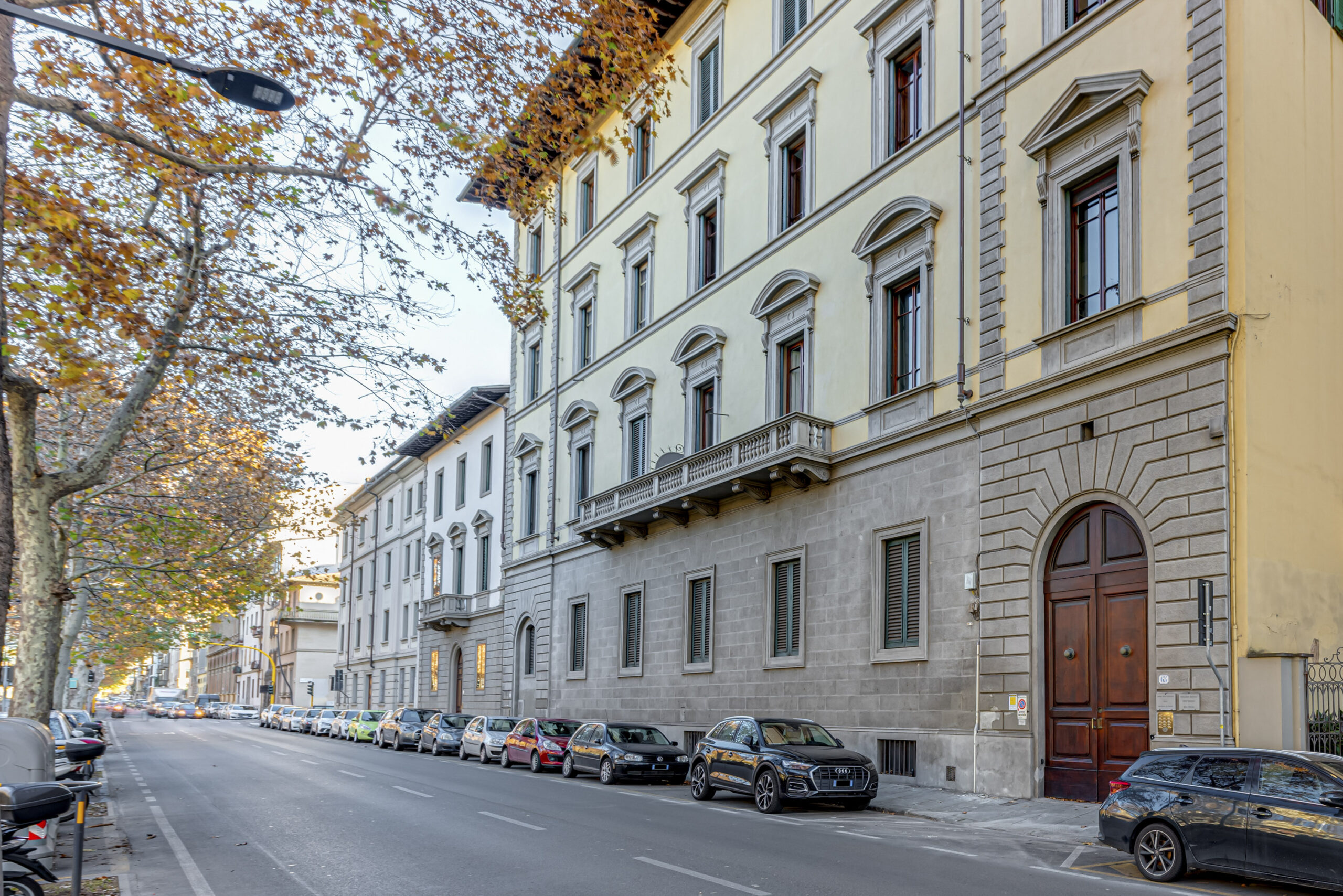
The neighborhood that developed around Viale Milton quickly became the emblem of the new bourgeois and cosmopolitan Florence. The buildings constructed here reflected the aspirations and taste of the era: elegant palaces with neoclassical facades, embellished with decorations in serene stone, alternated creating a harmonious succession of architectural forms. The monumental entrances, wide staircases, and balconies with refined wrought-iron railings testified to the social prestige of their inhabitants, while the inner gardens offered oases of green and tranquility.
Florence as the Capital and the New Bourgeoisie
The social and cultural life of the neighborhood, particularly along the prestigious Viale Milton, was deeply influenced by the presence of state officials and the new bourgeoisie who established their residence here during the period when Florence was the capital. In the salons of these elegant palaces, important cultural meetings were held, where intellectuals, politicians, and artists gathered to discuss the future of the young Italian nation and the great transformations underway. This extraordinary intellectual and social vibrancy has left a lasting imprint on the character of the neighborhood, which still today preserves that refined and culturally stimulating atmosphere typical of the most authentic Florence.
Strategic Location
Today, the area surrounding Viale Milton continues to benefit from its strategic location and rich historical heritage. Its proximity to places of extraordinary cultural interest such as the San Marco complex, with its famous frescoes by Beato Angelico, and the magnificent Piazza della Santissima Annunziata, with Brunelleschi's Spedale degli Innocenti, make it a privileged point for exploring Florence's artistic treasures. The Fortezza da Basso, originally built in the 16th century by Antonio da Sangallo the Younger, has been transformed into a modern conference center, symbolizing the city's ability to renew itself while maintaining a living dialogue with its past.
Florence Tramway that Makes Everything Simpler...
The neighborhood has been able to adapt to the needs of contemporary life without losing its distinctive character. The introduction of the modern tram network has improved the area's accessibility, while the presence of selected commercial and cultural activities helps maintain the social fabric. The careful preservation of the original architectural heritage testifies to the awareness of the historical value of this extraordinary example of 19th-century urban planning.
The Legacy of Viale Milton in Contemporary Florence
The legacy of the period when Florence was the capital, though brief, has left an indelible mark on the urban fabric of the city. The Viale Milton neighborhood is perhaps the most eloquent example: a place where 19th-century architectural elegance harmoniously blends with the vitality of contemporary Florence, creating a unique environment where history, culture, and daily life intertwine in a continuous dialogue. The very choice of the street's name, dedicated to the English poet John Milton, reflects that international and culturally ambitious spirit that characterized the capital Florence and still represents one of the distinctive traits of this fascinating neighborhood.